
.svg)
.svg)

.svg)
.svg)
Artificial grass has become a popular solution for homeowners, businesses, sports facilities, and recreational spaces seeking a low-maintenance alternative to natural lawns. While the turf itself plays an important role in the finished appearance, the surface beneath it is equally important. Before beginning an artificial turf installation, understanding which surfaces provide the best foundation can help ensure long-term performance, durability, and drainage. The right base helps the turf look more natural, feel more comfortable underfoot, and remain stable throughout years of use.
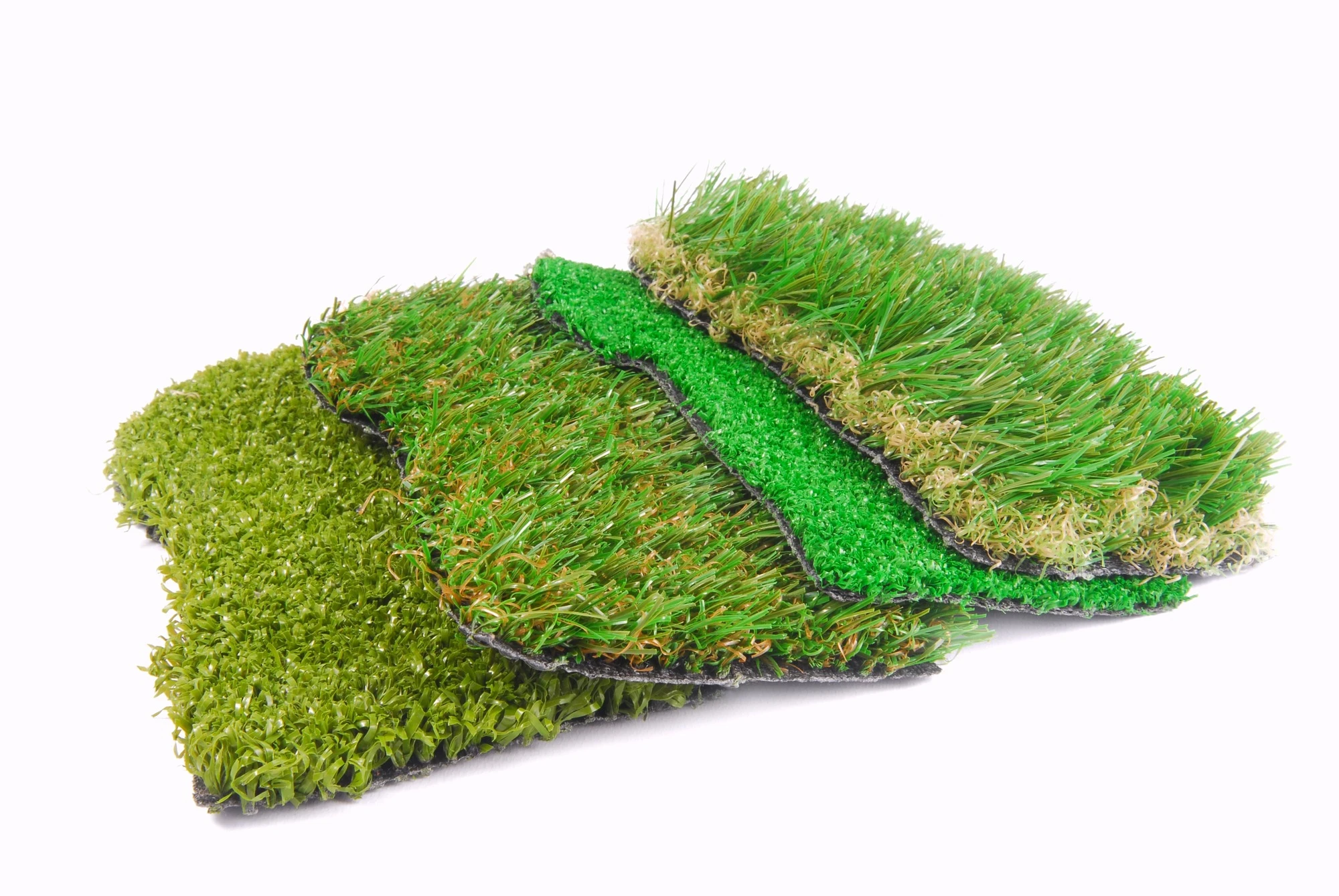
Why The Surface Matters
The quality of the underlying surface affects much more than appearance. A properly prepared foundation helps support drainage, prevents uneven settling, and contributes to the overall lifespan of the turf.
Building A Stable Foundation
Without proper preparation, turf may develop low spots, wrinkles, or drainage issues over time. A stable surface creates a level area that supports both the turf and the activities taking place on it. Whether the space is designed for pets, play, entertaining, or sports, the foundation helps determine how well the turf performs.
Natural Soil & Existing Grass Areas
Many residential turf projects begin with natural soil or existing lawn areas. These spaces can often provide an excellent starting point when properly prepared.
Proper Preparation Is Essential
The existing grass and organic material are typically removed before a compacted base is installed. This process helps create a clean, stable surface while reducing the likelihood of future settling. Proper grading also supports water movement and helps prevent drainage concerns after installation.
Crushed Stone & Aggregate Bases
One of the most commonly recommended surfaces for synthetic turf is a compacted crushed stone or aggregate base. These materials provide both stability and drainage.
Benefits Of Aggregate Foundations
Advantages often include:
- Improved water drainage
- Strong structural support
- Reduced settling over time
- Better surface leveling
- Long-term durability
Because these materials compact effectively, they provide a reliable foundation for many turf applications.
Concrete & Hard Surfaces
Artificial turf can sometimes be installed over existing concrete, asphalt, or other hard surfaces. This approach may be suitable for patios, rooftops, playgrounds, or recreational spaces.
Additional Considerations
When using hard surfaces, drainage planning remains important. Installers may also recommend padding beneath the turf to improve comfort and create a more natural feel underfoot. Surface condition, slope, and intended use all influence whether a hard surface is an appropriate choice.
What Factors Influence Surface Selection?
Every property has unique characteristics that affect installation decisions. Soil composition, climate, drainage patterns, and project goals all contribute to selecting the best foundation.
Areas with heavy foot traffic may require additional support, while pet-friendly spaces often benefit from enhanced drainage. Evaluating these factors before installation helps create a more successful long-term outcome.
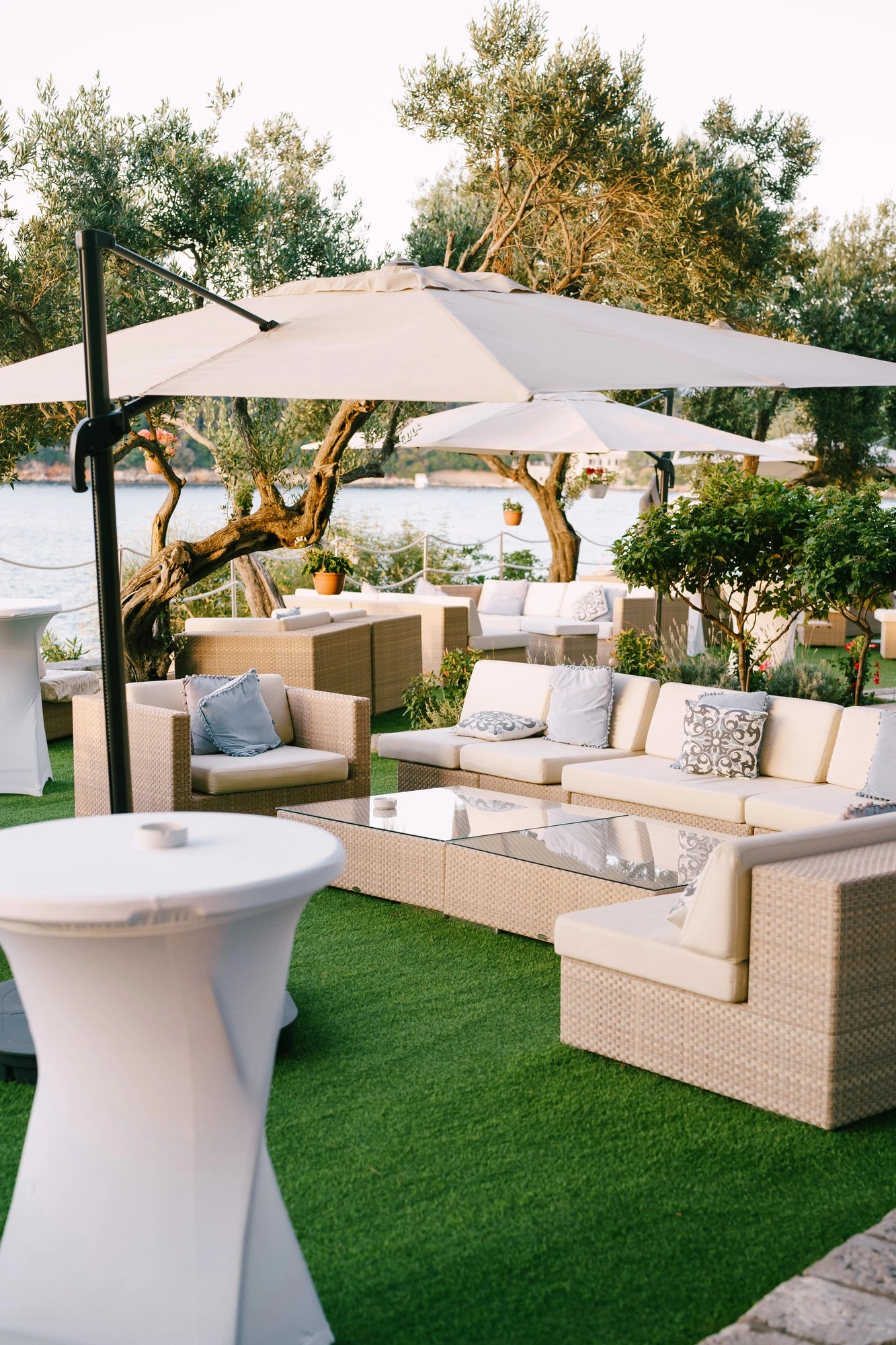
Ready To Plan Your Artificial Turf Installation?
Choosing the right surface is one of the most important steps in creating a successful synthetic grass project. A well-prepared foundation helps support drainage, appearance, comfort, and durability for years to come. At Eternal Turf, we help property owners understand the factors that contribute to lasting results and customized solutions. Contact us today to schedule a consultation and learn how artificial turf installation can transform your outdoor space with beauty, performance, and long-term value.
View Our Recent Projects






At Eternal Turf, we’ve spent 25+ years perfecting the art of synthetic grass installation. Whether it’s a backyard, putting green, or pet-friendly space, we’re here to get it right. Contact us today and let’s create something built to last!