
.svg)
.svg)

.svg)
.svg)
A successful artificial turf project depends on more than selecting the right grass style. The foundation underneath the surface plays an important role in stability, drainage, and long-term performance. Understanding how artificial turf is installed can help homeowners see why proper ground preparation and base materials are essential parts of creating a durable outdoor space.
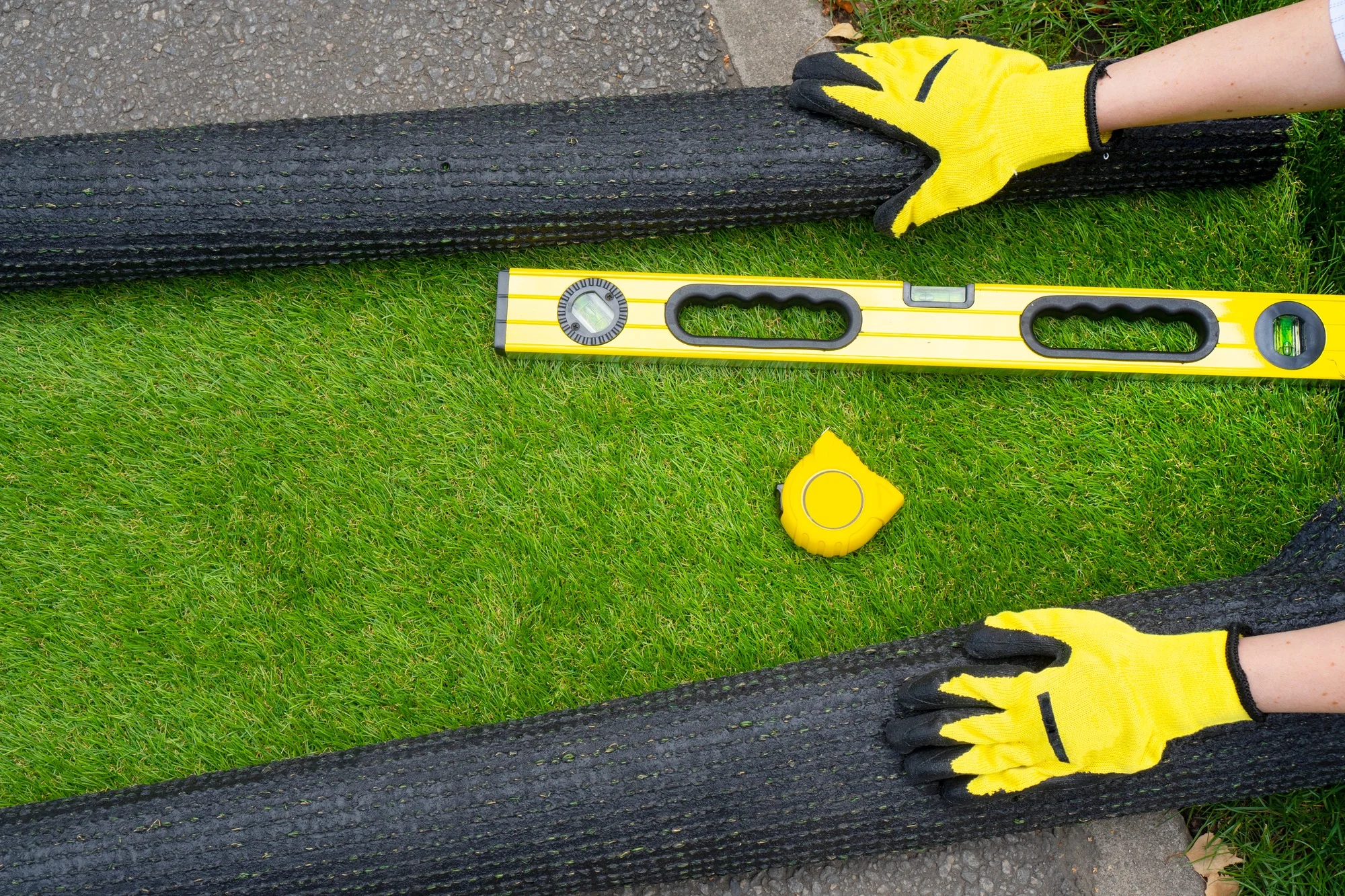
Why The Base Layer Matters for Artificial Turf
The base material beneath artificial turf provides support for the entire surface. Without proper preparation, turf may develop uneven areas, drainage problems, or sections that shift over time. A well-built foundation helps create a smooth appearance while allowing water to move efficiently through the surface, unlike traditional grass.
The base layer is typically made from compacted aggregate materials designed to create stability. These materials help prevent the turf from sinking and provide a firm surface that can handle regular use, weather changes, and outdoor activity.
A properly installed base also improves comfort. When the foundation is prepared correctly, the artificial turf feels more consistent underfoot and maintains its shape over time.
Common Materials Used Beneath Artificial Turf
Different projects may require different base materials depending on factors such as climate, soil conditions, and intended use. However, many artificial turf installations rely on durable aggregate materials that provide strength and drainage.
Common base materials include:
- Crushed stone or decomposed granite for stability
- Gravel materials that support drainage
- Fine leveling materials that help create a smooth surface
- Compact aggregates that create a strong foundation
The selected material is installed in layers and compacted carefully to create a reliable surface. Proper compaction is important because it reduces movement and helps maintain the turf’s finished appearance.
How Proper Preparation Affects Turf Performance
Artificial turf installation begins before the turf itself is placed. The existing area must be cleared, leveled, and prepared to support the new surface. This preparation process helps address potential challenges related to soil movement, moisture, and uneven terrain.
A strong base helps artificial turf perform better by:
- Improving drainage after rain or irrigation
- Reducing uneven areas and surface movement
- Supporting a consistent appearance
- Helping extend the lifespan of the turf system
Without adequate preparation, even high-quality turf may not perform as expected. The foundation provides the structure that keeps the surface looking and functioning properly.
What Homeowners Should Consider Before Installation
Before beginning an artificial turf project, homeowners should consider how the space will be used. A decorative yard area may have different requirements than a high-traffic area used by children, pets, or recreational activities.
Soil conditions are another important factor. Areas with poor drainage or unstable ground may require additional preparation to ensure a proper foundation. Professional installers evaluate these conditions before selecting materials and determining the best installation approach.
Understanding the installation process can help homeowners make informed decisions about their outdoor improvements. A properly prepared base is one of the most important factors in achieving a natural-looking and dependable turf surface.
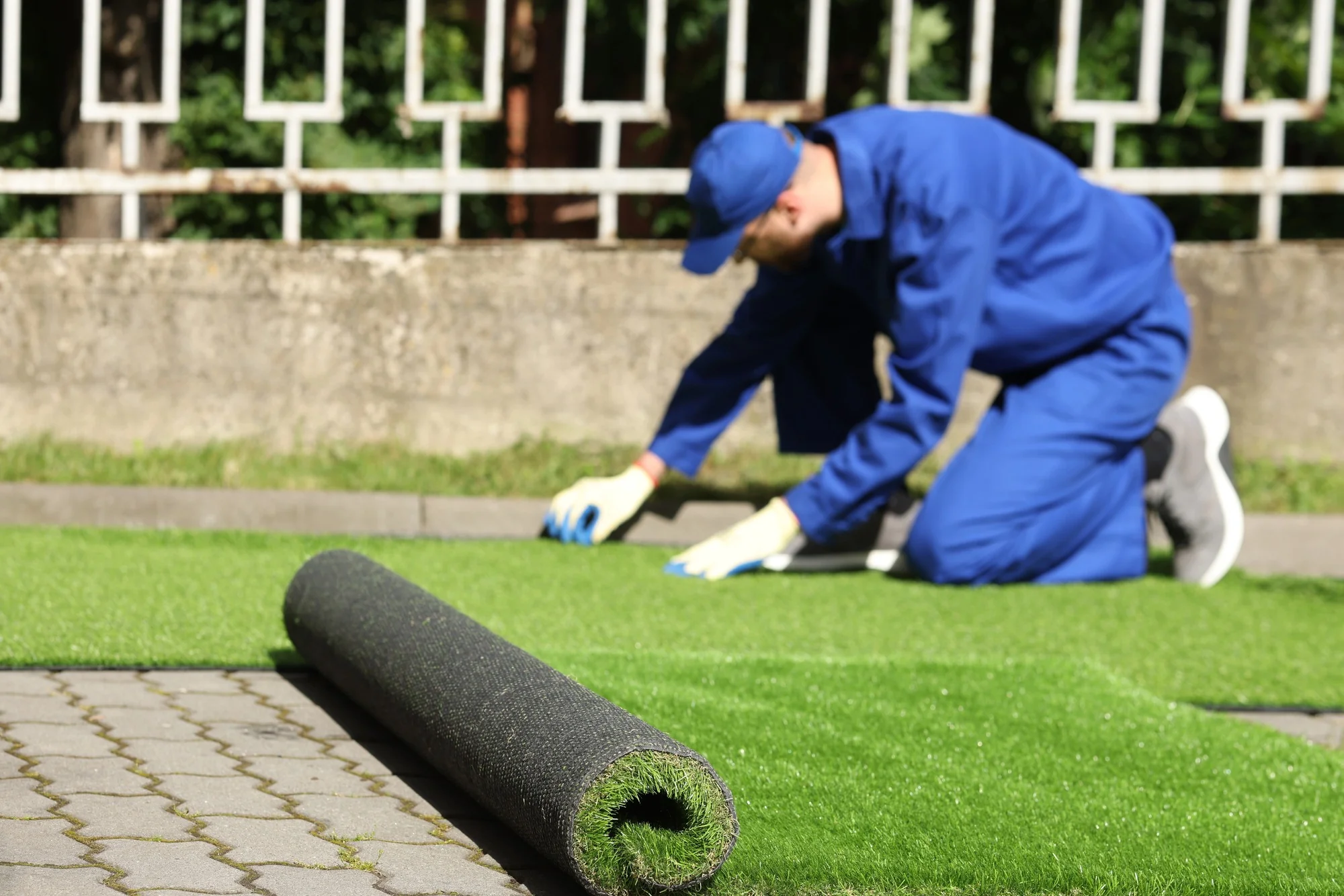
Curious How Artificial Turf is Installed? Schedule Your Consultation Today!
Creating a beautiful artificial turf area starts with proper planning and expert preparation. Eternal Turf helps homeowners understand their options and build outdoor spaces that are durable, comfortable, and long-lasting.
Schedule a consultation today to learn more about how artificial turf is installed and take the next step toward creating a reliable, low-maintenance landscape solution.
View Our Recent Projects






At Eternal Turf, we’ve spent 25+ years perfecting the art of synthetic grass installation. Whether it’s a backyard, putting green, or pet-friendly space, we’re here to get it right. Contact us today and let’s create something built to last!