
.svg)
.svg)

.svg)
.svg)
A peer-reviewed study from Tufts University found that dogs living in homes with professionally treated lawns had a 70% higher risk of developing canine malignant lymphoma. That is not a small statistic to hand-wave away, and it is one of the more overlooked reasons pet owners are rethinking what actually grows under their dog's paws.
Switching to pet turf is not just a mud-and-mess solution; for many households, it is also a way to eliminate the risk of chemical exposure that natural grass quietly carries. Here is how the two options actually compare when a dog's daily life is the deciding factor.
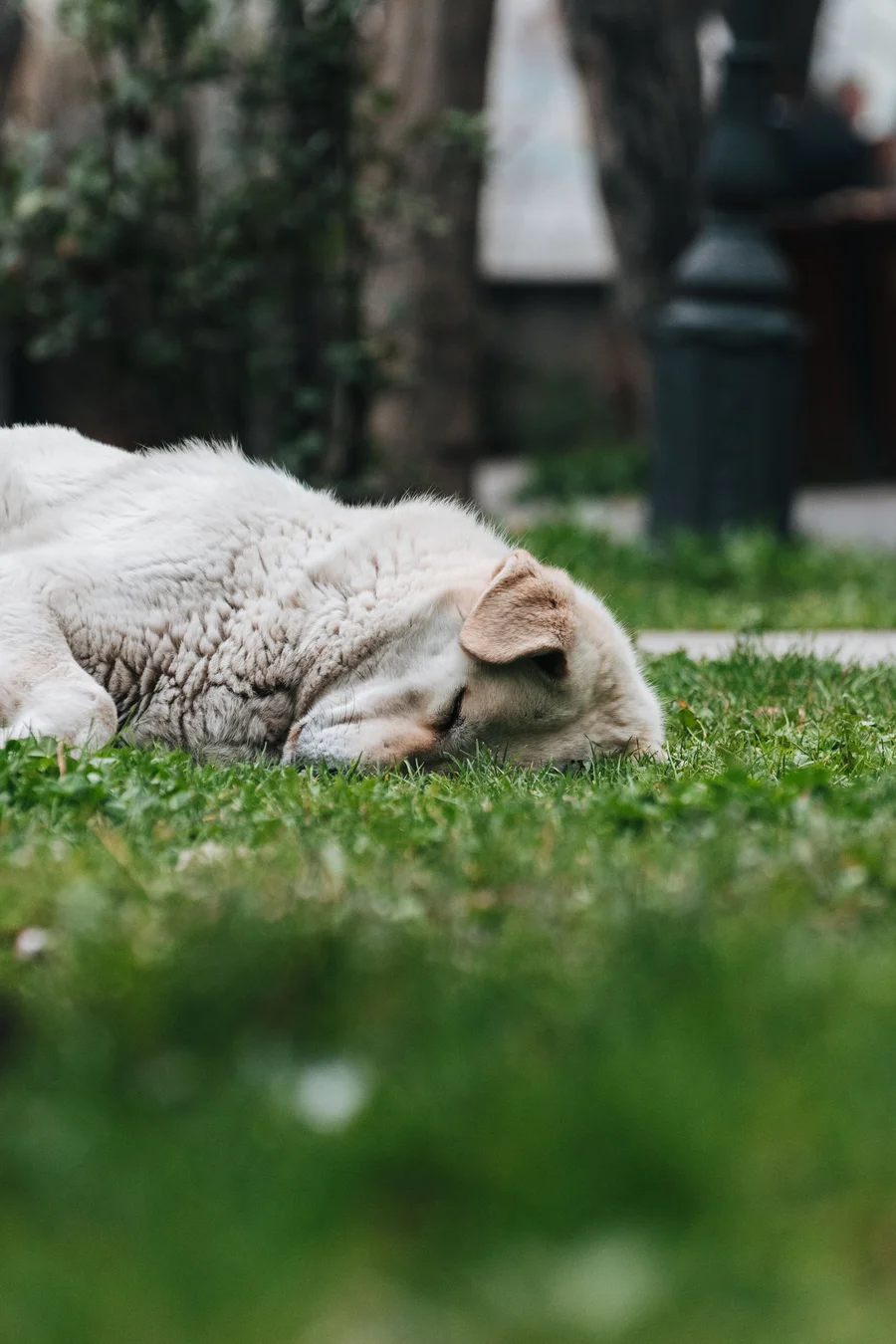
The Chemical-Free Case for Pet Turf
Keeping a natural lawn green and weed-free almost always involves some combination of herbicides, pesticides, or fertilizers. Dogs interact with treated grass in ways that increase their exposure: walking on it barefoot, rolling in it, and licking their paws afterward.
The National Pesticide Information Center, a joint program with the EPA, specifically warns that pets absorb lawn chemicals through skin contact and ingestion during normal outdoor behavior, not just accidental exposure. A synthetic lawn sidesteps that risk entirely, since it never needs herbicides, pesticides, or fertilizers to stay green.
What Actually Happens to Urine and Odor
Natural grass often develops yellow, dead patches where a dog regularly urinates, because the nitrogen in dog urine burns the grass roots. A well-built synthetic surface avoids that problem: a permeable backing lets liquid drain through rather than pool, and pet-specific infills are designed to control odor rather than trap it as soil does.
The result is a yard that does not develop the telltale bare patches or lingering smell that come with a heavily used natural lawn.
A synthetic lawn tends to make the most sense for households that deal with:
- Frequent muddy paw prints tracked through the house after rain
- Yellow or dead patches from urine spots on the existing lawn
- A dog that digs and creates bare, uneven areas in the yard
- Ongoing lawn chemical use that a pet regularly walks or rolls on
- A desire for a yard that looks the same in every season, rain or shine
The Mud, Digging, and Parasite Factor
Beyond chemicals, natural grass carries a few other downsides specific to dog ownership. Soil and grass retain moisture long after rain, which means muddy paws and an unusable yard for a day or two after a storm. Grass and soil are also where fleas, ticks, and certain parasites tend to live and reproduce, giving an outdoor-loving dog more opportunities for exposure simply by spending time on the lawn.
Digging is another common issue: a bored or anxious dog can turn a natural lawn into a series of holes within a single afternoon, something a synthetic backing is specifically designed to resist.
Where Natural Grass Still Wins
None of this means synthetic grass is the automatic answer for every yard. Natural grass provides a cooling effect during Florida's hottest months that synthetic materials cannot fully replicate without added infill technology, and it has a lower upfront cost than a professionally installed system.
For households without a heavy pet-traffic problem, or in shaded yards where grass grows in cool and healthy, natural grass can still be a reasonable, lower-cost choice. A quick look through common questions about artificial turf can help clarify which factors matter most for a specific yard.
What This Looks Like in a South Florida Yard
Lake Worth's climate adds its own pressure to the natural grass side of this comparison. Heavy seasonal rain, high humidity, and sandy soil all make it harder for a natural lawn to stay healthy under regular dog traffic. Pet turf installations typically include specialized pet infill that improves drainage and helps keep odors in check, along with cooling infill options for households concerned about surface temperatures during peak summer heat.
The same drainage principles apply to broader lawn and yard installations for households weighing a full-yard switch.
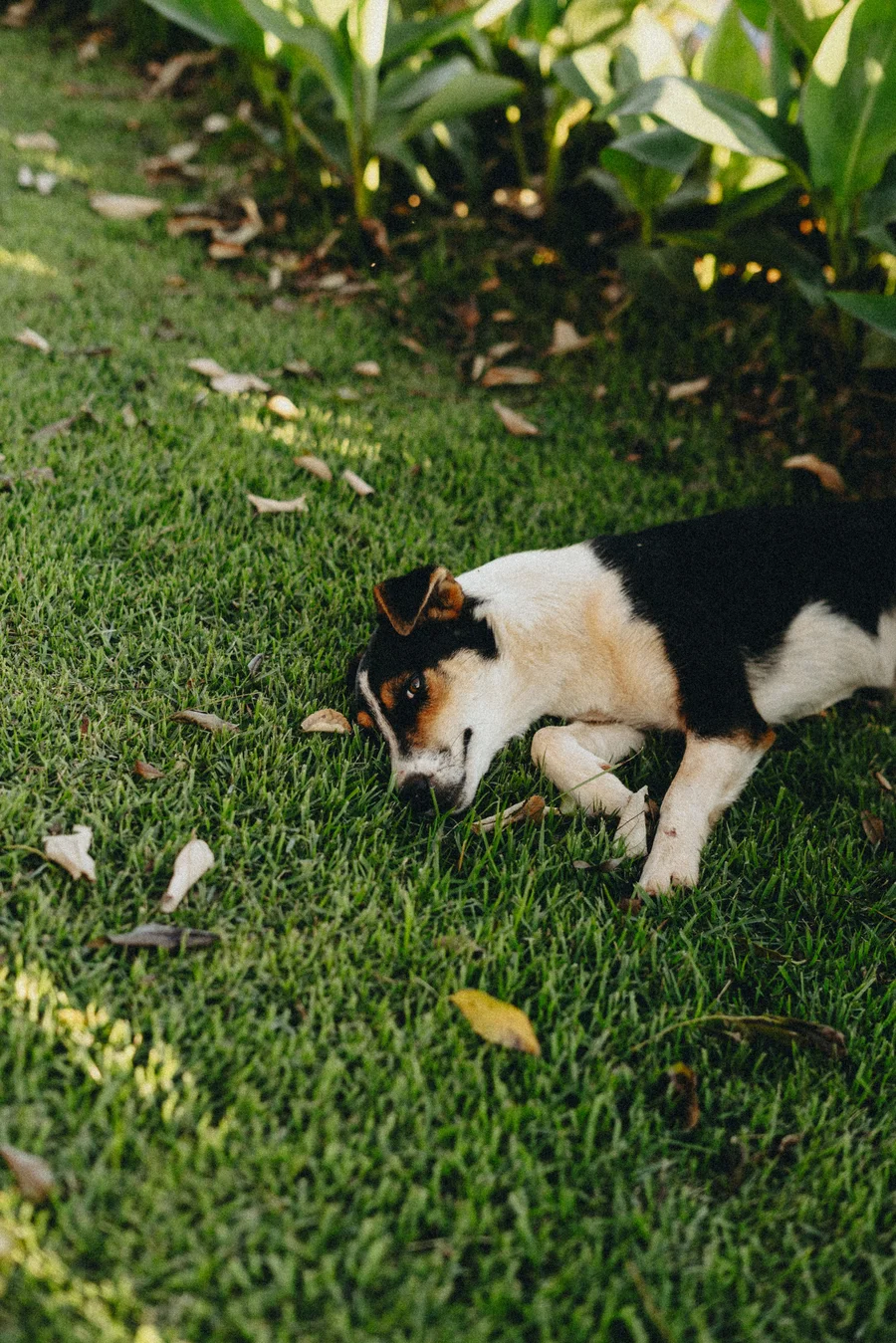
Talk to Eternal Turf About Pet Turf for Your Yard
Whether the bigger concern is lawn chemicals, muddy paws, or a dog that treats the backyard like a digging project, pet turf addresses all three at once. Eternal Turf has installed synthetic lawns for yards across South Florida, matched to each household's specific climate and traffic needs.
Contact us for a free consultation to see what a low-maintenance, dog-friendly yard could look like at your home.
View Our Recent Projects






At Eternal Turf, we’ve spent 25+ years perfecting the art of synthetic grass installation. Whether it’s a backyard, putting green, or pet-friendly space, we’re here to get it right. Contact us today and let’s create something built to last!