
.svg)
.svg)

.svg)
.svg)
Choosing between artificial grass and real grass is a decision many homeowners face when considering their lawns. Each option has its own set of advantages and challenges, from installation to ongoing care.
Installation Process: What’s the Difference?
The installation of artificial grass vs real grass can vary significantly. With real grass, you’re typically dealing with the need for proper soil preparation, sowing seeds, or laying sod, depending on whether you're establishing a new lawn or replacing an old one. This process is time-consuming and weather-dependent, with a waiting period before the grass becomes fully established.
On the other hand, installing artificial grass is much quicker. The turf is pre-made and comes in rolls, which are then placed and secured to the ground. The key part of installation is ensuring the underlying surface is well-prepared, level, and properly drained. While the initial cost may be higher than planting real grass, artificial turf can be installed in a matter of days.
Upkeep: The Ongoing Care
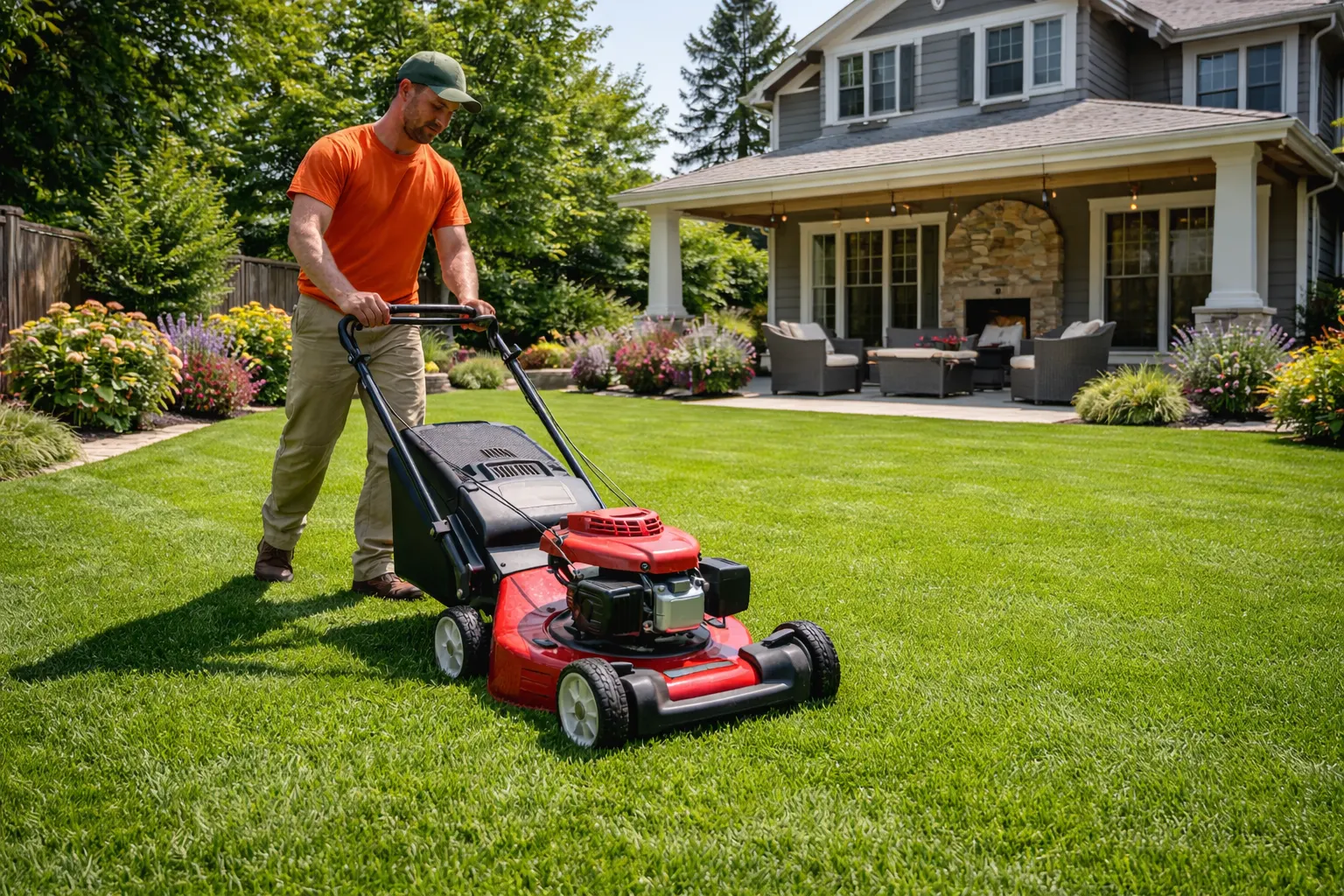
When it comes to upkeep, the contrast between artificial grass and real grass is stark. Real grass requires regular watering, mowing, and fertilizing. Watering can be especially demanding in dry climates or during summer months when maintaining a lush, green lawn is essential. You also have to deal with weeds, pests, and the need for occasional aeration to keep your soil healthy.
Artificial grass, however, is much less demanding. While it requires occasional brushing and cleaning to remove debris and prevent matting, there’s no need to water, mow, or fertilize. The upkeep of synthetic turf is limited, but you will still need to check for any signs of wear or damage, which can be repaired easily.
Lifespan: Which Lasts Longer?
The lifespan of your lawn is another important factor to consider when comparing artificial grass vs real grass. Natural grass, while it provides a beautiful, organic appearance, is prone to wear and tear from foot traffic, weather, and pests. With proper care, it can last for many years, but it requires ongoing maintenance to stay healthy.
Artificial grass, on the other hand, can last between 15 and 25 years, depending on the quality of the turf and the amount of foot traffic it receives. This makes it a long-term investment that, if maintained correctly, can outlast several natural grass lawns. However, it's essential to choose high-quality synthetic turf and ensure proper installation to maximize its lifespan.
Environmental Impact: Artificial vs Real
While artificial grass is made from synthetic materials, it has certain environmental benefits when compared to real grass. For example, synthetic turf doesn't require water, making it a more sustainable option in areas prone to drought. Moreover, it doesn't need fertilizers or pesticides, which can be harmful to the environment.
Real grass, though, is part of a natural ecosystem, providing oxygen and supporting local biodiversity. It also helps with water absorption and cooling the surrounding area. However, the resources required for its upkeep, especially water and fertilizers, can offset its environmental benefits.
Artificial Grass vs Real Grass: Which is the Right Choice?
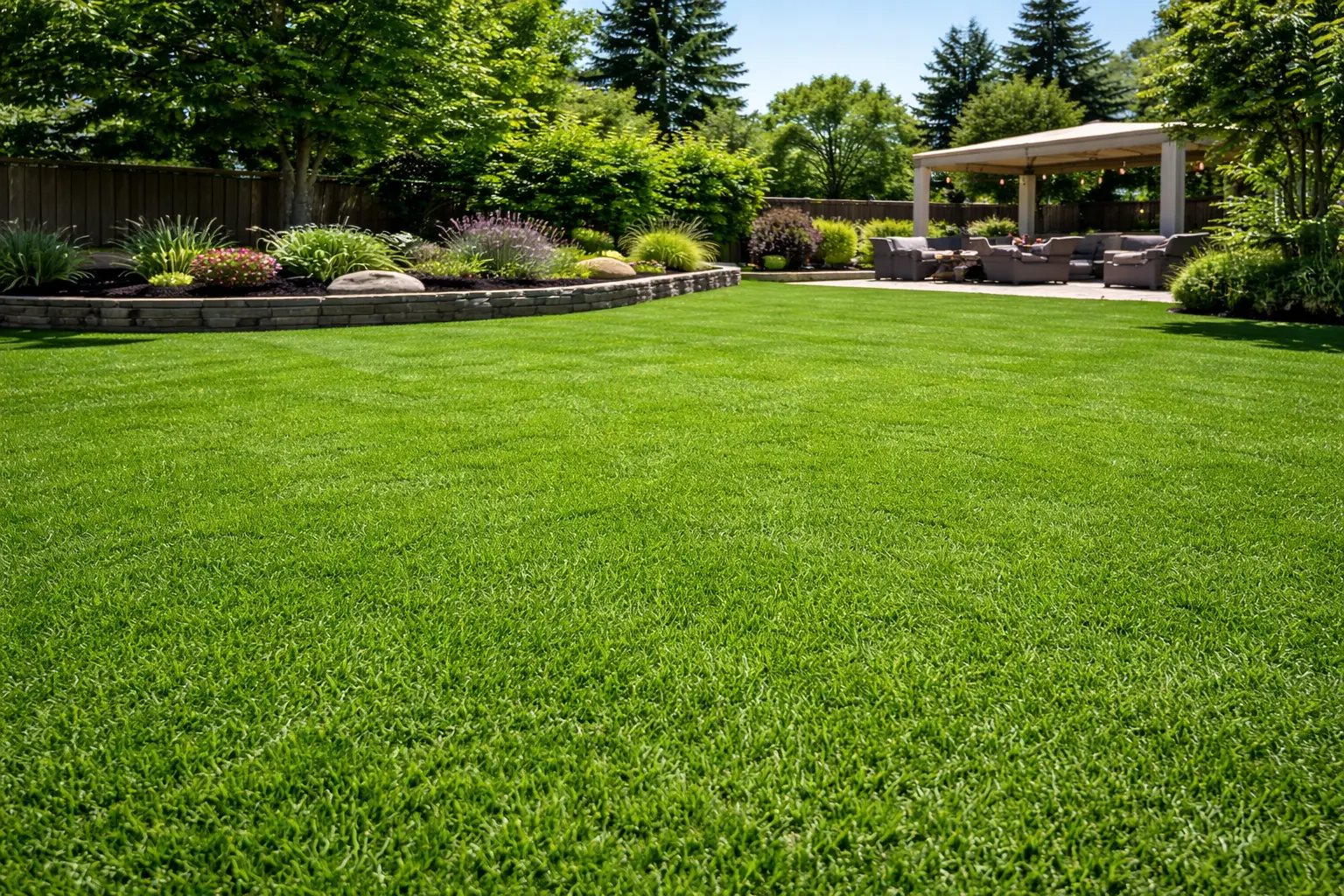
Ultimately, the choice between artificial grass and real grass depends on your priorities. If you’re looking for a low-maintenance lawn that stays green year-round with minimal effort, artificial grass may be the right fit. It’s especially well-suited for high-traffic areas or places where water conservation is a priority. However, if you prefer the natural look, feel, and environmental benefits of real grass, and you're prepared to invest the time for upkeep, then natural turf might be your best option.
At Eternal Turf, we understand the nuances of artificial grass vs real grass. Our team can help you choose the best solution for your needs, ensuring your lawn looks great year-round. Contact us today to schedule a consultation and transform your lawn!
View Our Recent Projects






At Eternal Turf, we’ve spent 25+ years perfecting the art of synthetic grass installation. Whether it’s a backyard, putting green, or pet-friendly space, we’re here to get it right. Contact us today and let’s create something built to last!