
.svg)
.svg)

.svg)
.svg)
Artificial grass is often marketed as a long-term, low-maintenance alternative to natural lawns—but it isn’t permanent. Knowing how often you actually need to replace your turf can help you protect your investment, avoid unnecessary costs, and maintain your outdoor space in optimal condition year after year.
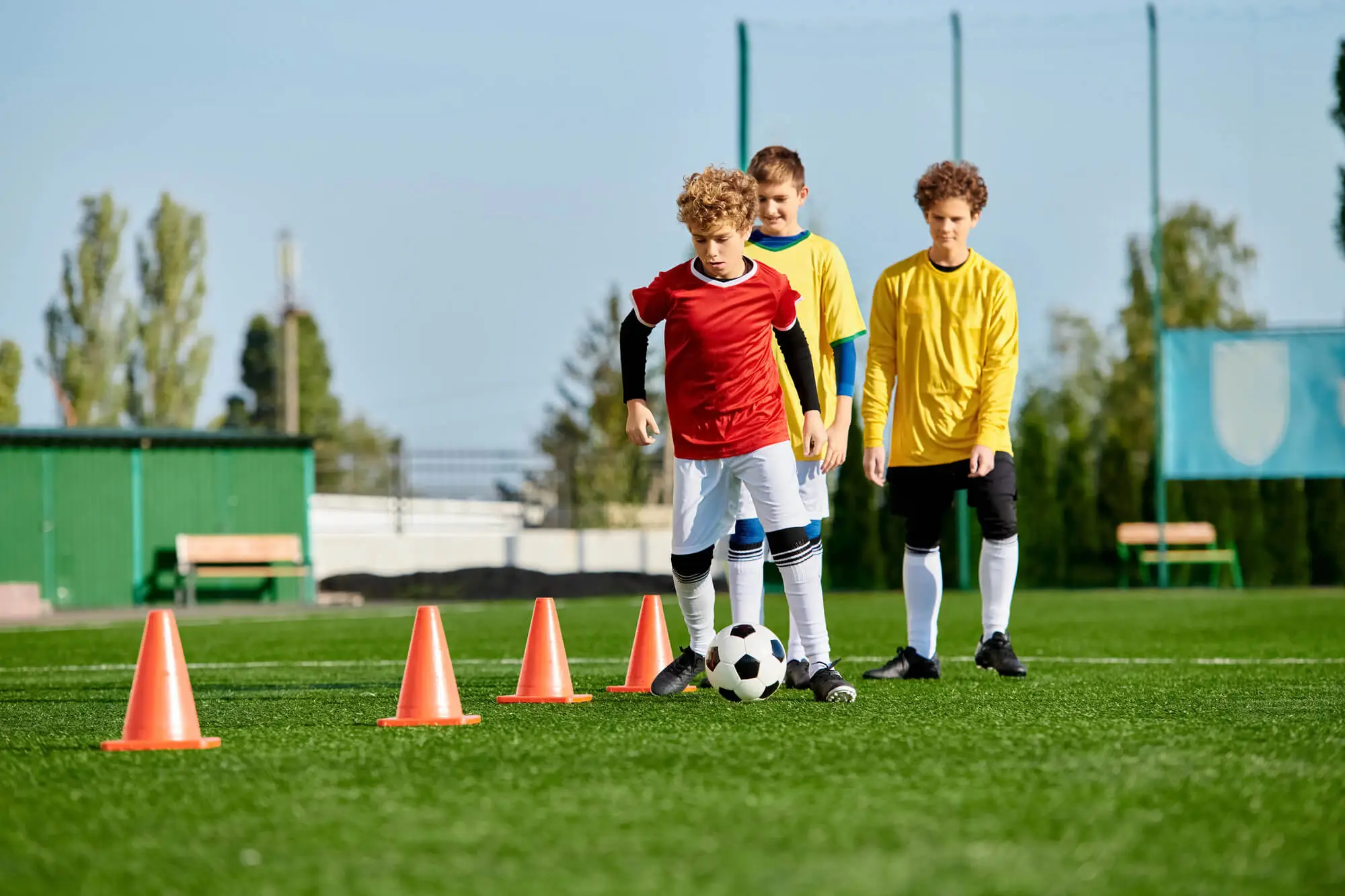
How Long Does Artificial Grass Really Last?
In residential settings, high-quality artificial grass typically lasts 10 to 15 years. Commercial or high-traffic areas, such as playgrounds, dog runs, or sports fields, may need to be replaced every 8 to 10 years.
However, lifespan is determined by more than just time. Usage, climate, installation quality, and maintenance habits all influence how long your turf lasts and looks its best.
What Affects the Lifespan of Artificial Grass?
Several factors influence when your artificial grass will need replacing:
Traffic and Use
Areas with high traffic, pets, or heavy furniture wear down faster. Fibers can flatten, seams can loosen, and infill can move with time.
Sun Exposure and Climate
UV-stabilized turf resists fading, but direct sunlight and extreme heat can still accelerate the breakdown of fibers. Poor drainage in damp or shaded environments can lead to odor or algae problems if maintenance is neglected.
Installation Quality
Improper base preparation, weak seams, or insufficient infill can significantly reduce turf lifespan. Many early replacements are caused by poor installation, rather than the turf itself.
Maintenance Practices
Regular brushing, rinsing, and infill management can significantly extend the life of your turf. Neglected turf ages faster and loses its appearance long before it should.
Signs It’s Time to Replace Your Artificial Grass
Instead of guessing based on age alone, look for these clear replacement indicators:
- Fibers are permanently matted or brittle
- Noticeable bald spots or exposed backing
- Persistent odors or drainage problems
- Seams separating or edges lifting
- Significant fading or discoloration
If multiple signs appear at once, repairs may no longer be cost-effective.
Can Maintenance Delay Replacement?
Absolutely. Proper artificial grass maintenance doesn’t just keep your lawn clean—it extends its usable life.
We recommend brushing fibers upright every few weeks in high-traffic areas and rinsing regularly to remove dust, pollen, and pet waste. Additionally, addressing small seam or edge issues early can help turf exceed its expected lifespan.
Repair vs. Replacement: How to Decide
Minor issues, such as loose seams, low infill, or localized wear, can often be repaired. Full replacement makes more sense when:
- Damage is widespread
- Performance (drainage, cushioning) is compromised
- Repairs approach the cost of new turf
A professional inspection can help determine the most cost-effective option.
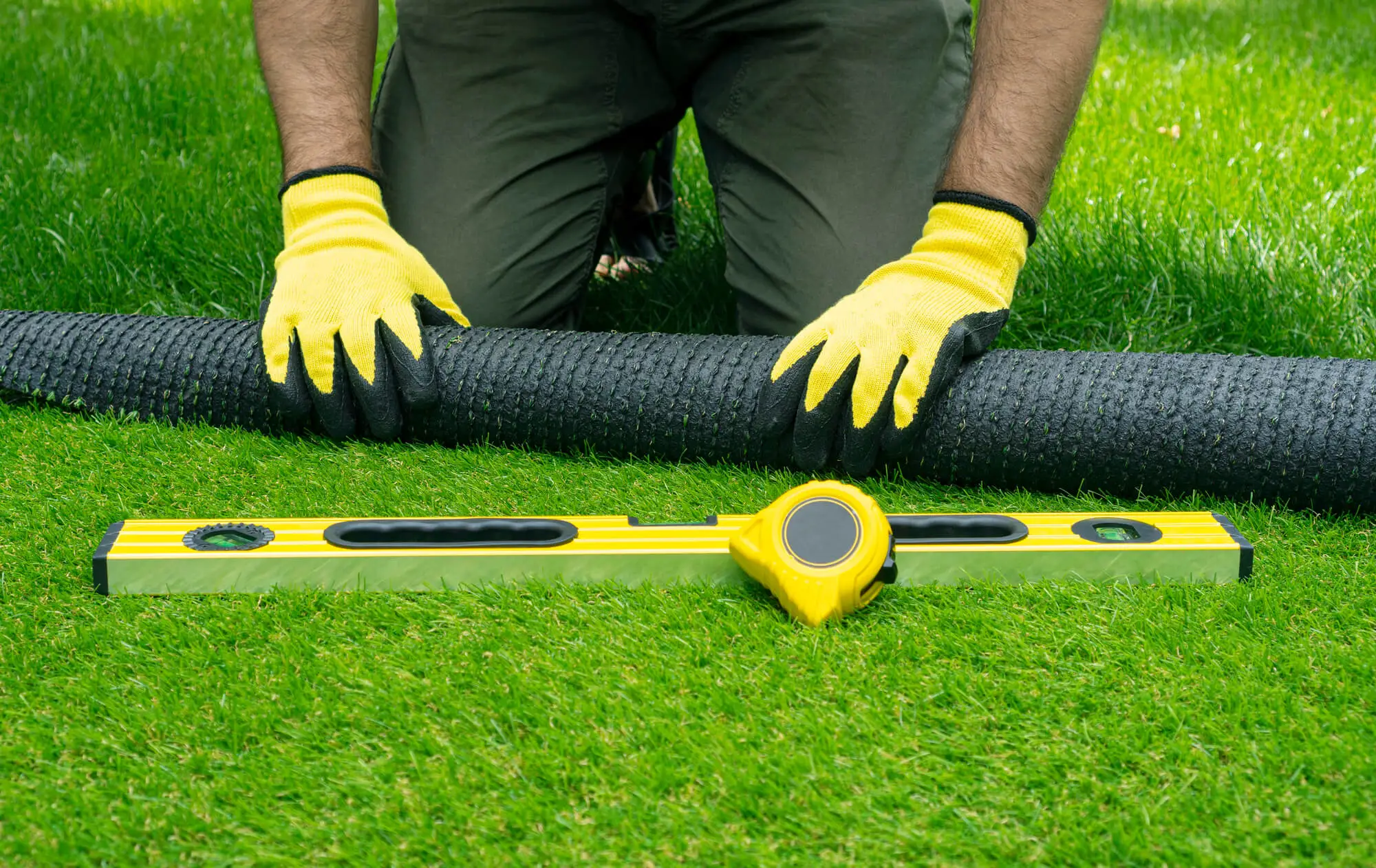
Does Your Artificial Grass Need Some Maintenance? Let the Experts Handle It
Artificial grass does not require frequent replacement, but it does necessitate informed maintenance and timely decisions. Most homeowners can expect quality turf to last 10-15 years, especially if it is properly maintained and professionally installed.
If you're noticing wear or wondering if your artificial grass is nearing the end of its life, Eternal Turf offers free consultations. We'll conduct a professional evaluation and advise you on whether maintenance, repair, or replacement is the best next step.
Remember: Investing in the right turf—and maintaining it properly—means fewer replacements, lower long-term costs, and a lawn that looks great for years to come!
View Our Recent Projects






At Eternal Turf, we’ve spent 25+ years perfecting the art of synthetic grass installation. Whether it’s a backyard, putting green, or pet-friendly space, we’re here to get it right. Contact us today and let’s create something built to last!